
NATIONAL VITAMIN C DAY
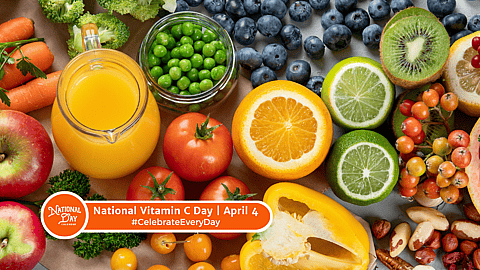
NATIONAL VITAMIN C DAY
National Vitamin C Day on April 4th each year shares all the ways vitamin C nurtures and benefits our health, inside and out!
#VitaminCDay
While Vitamin C is widely recognized for warding off colds, the vitamin is also clinically proven to be a powerhouse in other areas of health, too. For example, Vitamin C may reduce blood pressure and potentially lower the risk of heart disease. Those at risk of gout can lower that risk by increasing their intake of Vitamin C.
Topically, Vitamin C keeps skin healthy by protecting it from oxidative damage caused by daily exposure to light, heat, and pollution. The popularity of topical vitamin C products has risen dramatically.
With the right product, adding Vitamin C to your beauty regimen can brighten your skin, reduce inflammation, and promote healthy collagen production. Vitamin C brightens just about any health routine.
HOW TO OBSERVE VITAMIN C DAY
Learn more about why vitamin C is essential for skin health – find the right vitamin C serum for you. Share your experiences using vitamin C in your daily regime. How has it benefited you?
Discover more with #vitaminCday on social media.
NATIONAL VITAMIN C DAY HISTORY
SkinCeuticals founded National Vitamin C Day in 2019 to celebrate this research and the proven benefits of vitamin C.
The research of Dr. Sheldon Pinnell, founding scientist of SkinCeuticals, established the parameters for effective vitamin C antioxidant delivery to the skin, allowing SkinCeuticals to pioneer the emergence of cosmeceuticals.
The Registrar at National Day Calendar proclaimed the day to be observed on April 4th annually.
Vitamin C FAQ
Q. What is another name for vitamin C?
A. Vitamin C is also known as L-ascorbic acid.
Q. What foods have the most vitamin C?
A. It might surprise you to know that citrus fruits, while high in vitamin c, are not the foods with the most. Oranges contain approximately 70 mg of vitamin C. These foods contain even more:
Rosehips - 119 mg
Red bell pepper - 95 mg
Guava - 126 mg
Papaya - 96 mg
Chili Pepper - 109 mg